
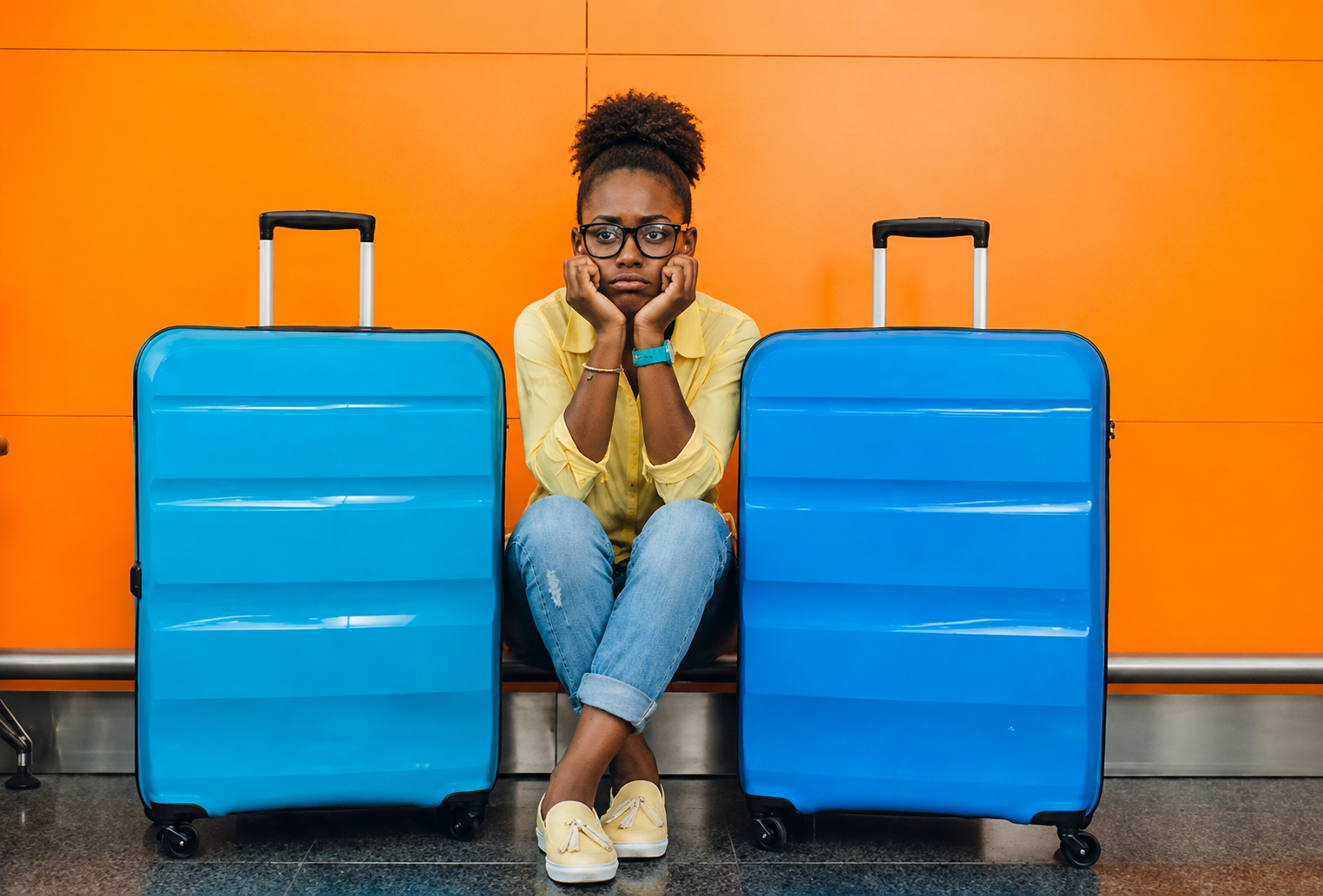
Common Reasons Why Travelers Are Denied Boarding
For many travelers, the journey to the Philippines begins long before reaching Manila. One of the most frustrating experiences is arriving at the airport with a valid ticket and discovering that the airline will not allow you to board. Having a paid ticket does not automatically guarantee boarding. Airlines must verify that passengers meet the travel, immigration, and documentation requirements for their destination and transit countries.
One common reason is incomplete or invalid travel documentation. Depending on the itinerary, passengers may need a passport meeting validity requirements, a visa or other authorization, transit documents, or additional supporting documents. A traveler may therefore have a valid ticket but still be unable to board if an essential document is missing or does not meet the applicable requirements.
Visa and immigration requirements can also create problems. Travelers should understand that visa free or visa waiver access does not necessarily mean unrestricted entry. The conditions attached to the privilege must still be satisfied. Passengers should also verify the requirements of every country through which they will transit, as transit rules may differ from the requirements of the final destination.
Another potential issue is return or onward travel. A passenger traveling to the Philippines may be required to demonstrate onward or return travel, depending on the applicable entry conditions. For example, purchasing a one way ticket and assuming that entry will automatically be permitted can create difficulties at check in.
Travelers should also pay attention to Philippine eTravel registration. Applicable travelers must complete the registration within the prescribed period before travel, and proof of registration may be required before boarding. The official eTravel service is free and should be completed through the Philippine government's official portal.
Some itineraries may also involve additional airline verification, including "OK to Board" procedures. This may occur when an airline needs to verify a passenger's visa, immigration authorization, or other travel documentation before allowing boarding. "OK to Board" is not a Philippine visa. It is an airline related verification process that may apply depending on the itinerary and circumstances.
Timing can also cause boarding problems. A passenger may have all the correct documents but still miss the opportunity to board by arriving too late for check in. International check in deadlines vary by airline and airport, so travelers should allow sufficient time for check in, document verification, immigration, and security procedures.
Finally, baggage and restricted item issues can cause complications. Excess baggage may require additional payment, while certain items may be prohibited or subject to restrictions. Travelers should check the baggage allowance and restrictions applicable to their specific flight before departure.
Check With Your Airline Before You Travel
One of the most important steps travelers can take is to contact their airline well before the date of travel, and ideally before purchasing the ticket, to confirm that they have all the documents required to board and complete their journey.
This is particularly important for travelers flying from Cameroon to the Philippines through another country. Ask the airline to verify the requirements for the entire itinerary, including transit requirements, visas or visa exemptions, onward tickets, passport validity, and any additional documentation or "OK to Board" clearance that may be required. Do not wait until the day of departure to discover that a document is missing. A few days of verification before traveling can prevent significant problems at the airport.
The Important Lesson
Most boarding problems are not simply the result of an airline refusing to let someone travel. They usually arise from a documentation, immigration, transit, registration, timing, or compliance issue that could have been identified before reaching the airport. For Cameroonians traveling to the Philippines, particularly first time travelers, it is important to consider the entire journey, including Cameroon, the transit country, and the Philippines, rather than focusing only on the final destination. A flight ticket confirms your reservation. It does not replace the requirement to meet the rules applicable to your journey.
Before traveling, always verify the latest requirements directly with the airline, Philippine authorities, and relevant transit country authorities, as requirements and airline procedures can change.