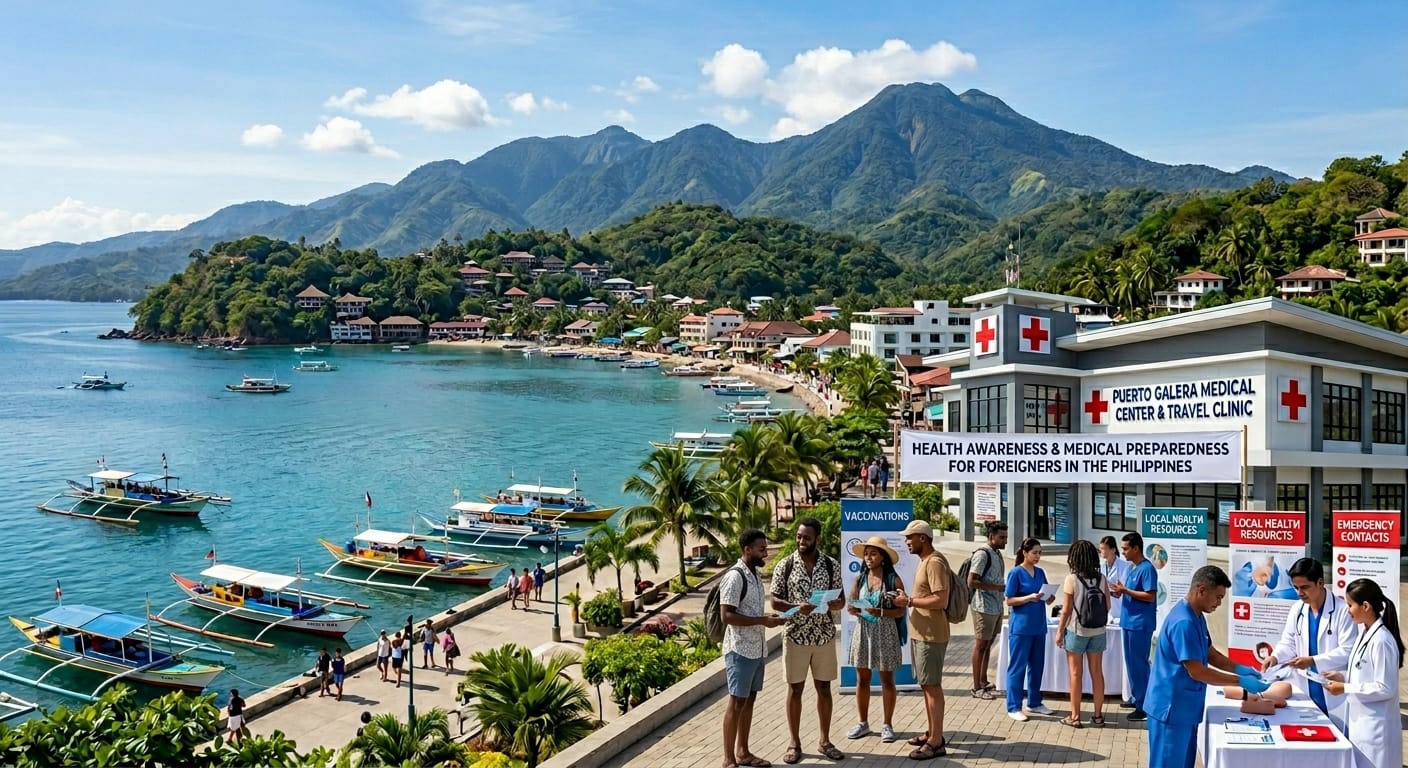
Health Awareness and Medical Preparedness Among Cameroonians in the Philippines
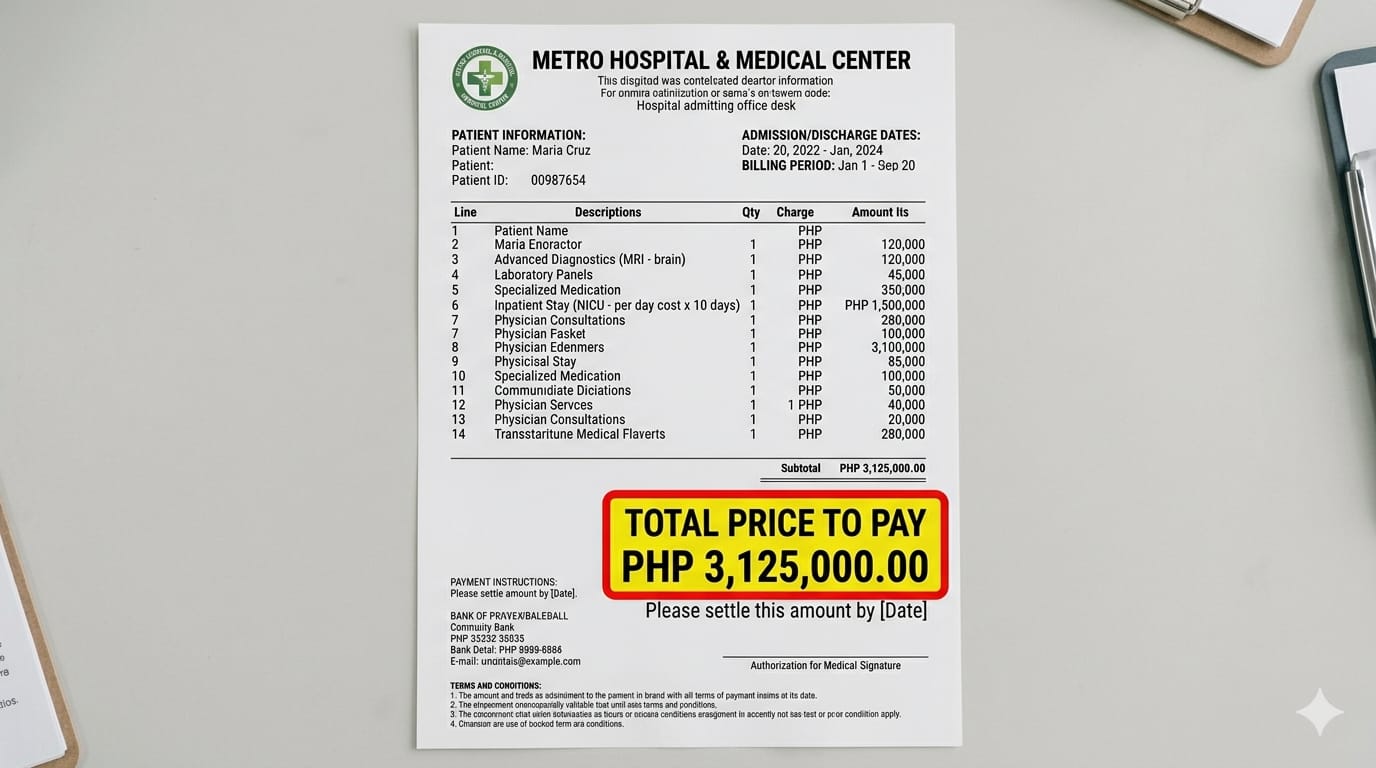
For many foreigners living in the Philippines, including members of the Cameroonian community, access to healthcare can quickly become a serious financial challenge. While many residents possess valid HMOs with coverage ranging from ₱250,000 to ₱750,000 or more, it is important to understand that a medical emergency in the Philippines can still generate hospital bills reaching millions of pesos, especially in private hospitals and intensive care situations.
The reality is that an HMO is not always equivalent to full insurance coverage. In many cases, HMOs only partially cover hospitalization expenses. Costs such as specialist professional fees, ICU confinement, surgeries, medicines, implants, laboratory tests, and emergency procedures may exceed the annual coverage limit. A serious accident, stroke, severe dengue, heart condition, or prolonged hospitalization can therefore place enormous financial pressure on both the patient and their relatives.
For Cameroonians residing in the Philippines, the first practical advice is simple: understand your HMO before an emergency occurs. Members of the community should know: - the exact annual limit of their HMO, - the hospitals accredited by their provider, - room categories covered, - exclusions and reimbursement policies, - emergency procedures and requirements. Many avoidable financial difficulties occur because patients only discover coverage limitations during hospitalization.
Equally important is the choice of hospital. Not every illness requires admission into the most expensive medical institutions. For moderate conditions, hospitals such as Manila Doctors Hospital, World Citi Medical Center, or Metro Antipolo Hospital and Medical Center may provide quality care at more manageable costs depending on the case and HMO accreditation. However, for highly critical conditions involving stroke, cardiac emergencies, severe trauma, ICU care, or complex surgery, top tertiary hospitals such as The Medical City or St. Luke's Medical Center may become necessary because of their advanced facilities and specialists.
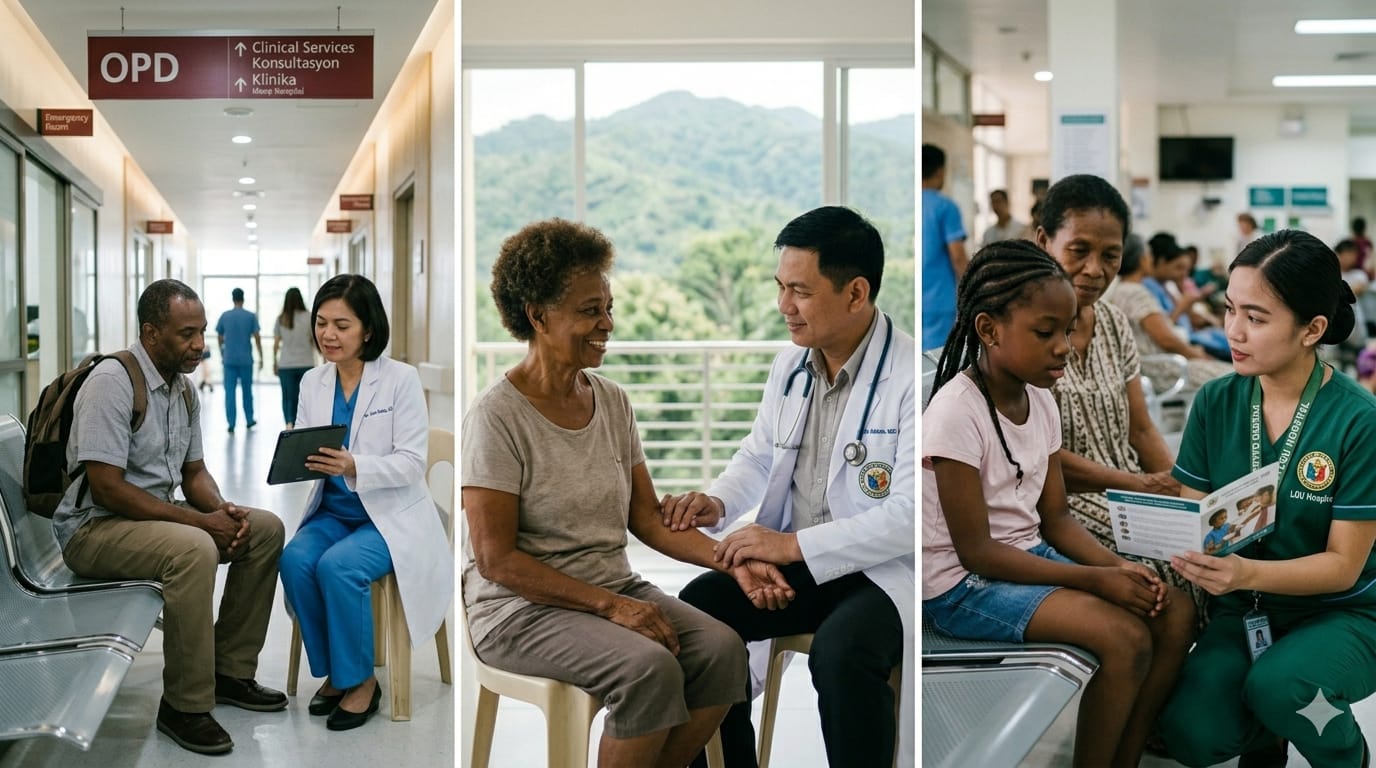
Another major recommendation is prevention. Many catastrophic medical situations begin with untreated hypertension, diabetes, infections, stress, poor diet, or delayed consultations. Regular medical checkups, healthier lifestyles, and early treatment can significantly reduce the risk of severe hospitalization. Preventive healthcare is often far less expensive than emergency intensive care.
The Cameroonian community can also strengthen itself through collective preparedness. The Association of Cameroonians in the Philippines (ACP Inc.) could encourage: - health awareness seminars, - verified hospital and doctor information sharing, - emergency medical fundraising mechanisms, - blood donor coordination, - guidance for newly arrived members regarding healthcare systems in the Philippines. Such initiatives may appear simple, but during emergencies they can save both lives and finances.
Foreign residents should also avoid assuming that “cashless HMO” means “everything is covered.” In many Philippine hospitals, patients may still be asked for deposits or out-of-pocket payments before treatment continues. Maintaining an emergency medical reserve fund, even modestly, can therefore be extremely important for unexpected situations.
Ultimately, healthcare preparedness is not only an individual responsibility but also a community concern. A more informed and organized Cameroonian community in the Philippines will be better equipped to protect its members from avoidable medical and financial crises. Awareness, discipline, prevention, and solidarity remain some of the strongest tools available to every foreign resident navigating the Philippine healthcare system.