Can African Cuisine Become the Next Food Story in the Philippines?
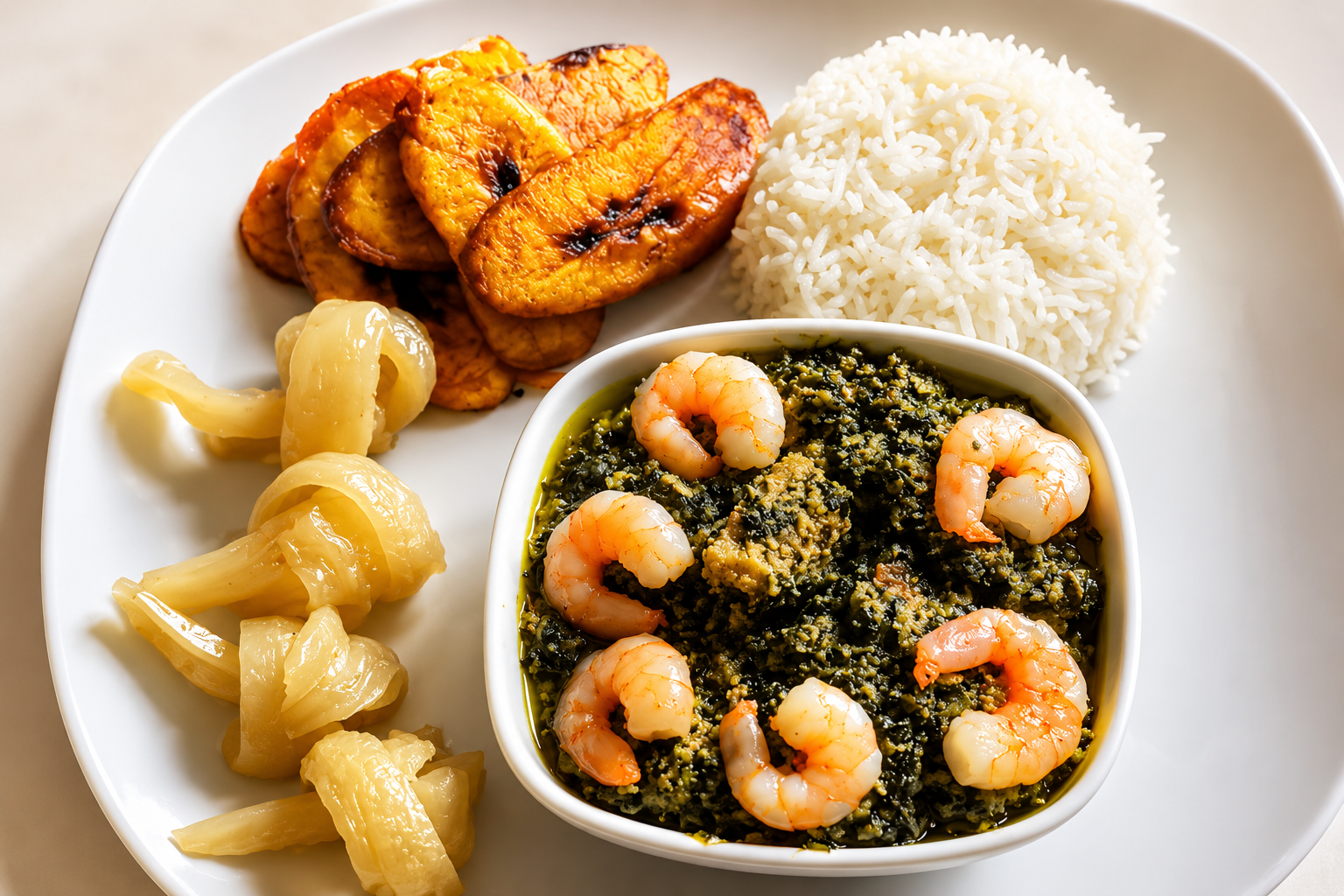
The Philippines has become highly receptive to international cuisines. Korean BBQ, Japanese ramen, Taiwanese milk tea, Chinese hot pot, American fast food and Vietnamese pho have all found strong audiences. Their success, however, is not simply because Filipinos are willing to try foreign food. These cuisines have benefited from cultural visibility, strong branding, social media exposure, accessible pricing and adaptation to Filipino dining habits. African cuisine, and particularly Cameroonian cuisine, has yet to reach the same level of visibility. A Filipino may easily recognize ramen or samgyupsal, but may never have heard of ndolé, eru, achu, koki or poulet DG.
This does not necessarily mean that Filipinos are not interested in African food. In fact, Filipino dining culture has many characteristics that could work in African cuisine: shared meals, family dining, rice-based dishes, grilled and fried foods, rich sauces and food as a social experience. The challenge may therefore be less about the food itself and more about how it is introduced. Authenticity is important, but it must be accompanied by accessibility, presentation, storytelling and consistency. A new customer needs to understand what the food is, what it tastes like, how it is eaten and why they should try it.
This creates a significant opportunity for Cameroonian entrepreneurs. Rather than attempting to introduce every dish at once, the focus could be placed on a few hero dishes with strong commercial potential, tested not only with Africans but also with Filipino consumers. Social media can then be used to explain the ingredients, preparation and cultural stories behind dishes such as ndolé, eru or poulet DG. African food can also be presented as an experience, combining cuisine with African music, fashion, art and culture. Food festivals, pop-ups, university exhibitions, corporate catering and cooking events could provide accessible ways for Filipinos to discover the cuisine before committing to a permanent restaurant.
The opportunity extends beyond restaurants. African catering companies, packaged food brands, spice businesses, food delivery services, cooking workshops, import and distribution companies, food content creators and cultural events can all form part of an African culinary ecosystem. The African community can also become the first market by organizing African Food Days, Cameroonian Food Festivals and tasting events, while deliberately inviting Filipino consumers. The objective should not simply be to serve Africans living in the Philippines, but to gradually move from Africans → food enthusiasts → Filipino consumers → the broader international market.
Perhaps, therefore, the question should not be "Why haven't Filipinos embraced African cuisine?" but rather "Have we done enough to introduce it to them?" Africa already has extraordinary ingredients, distinctive flavors, diverse culinary traditions and powerful stories. What is needed is the visibility, investment, branding and entrepreneurial effort to turn those assets into recognizable products and experiences. The opportunity for Cameroonians in the Philippines may not be to wait for African cuisine to become popular. It may be to become the people who make it popular.